
Investing often feels intimidating, thanks to long-standing myths that make it seem complex, risky, or out of reach. But the truth? These myths are just misconceptions that stop many from taking the first step. Let’s break them down and see why they don’t hold up.
1. I Need a Lot of Money to Invest

How This Myth Started
For the longest time, investing was seen as something only the wealthy could do. Picture sleek private wealth managers and mutual fund agents offering investment product, but they wouldn't ask to start investing with just RM100 - that would be a waste of their time. Hence why we have the perception that investing requires a lot of money or suitable only for the high-net worth individuals.
Why It’s Not True
Times have changed, and the role of investment manager has been automated with technology. This allows for the same service (financial advise and portfolio management) to be more accessible and cater to the wider retail investors. Robo advisor companies like Wahed offers low investment minimum because it can fractionalise your holding and at the same time bringing liquidity as they serve more investors.No more intimidating meetings with agents slapping high fees on your investment.
What is Fractional Investment?
Securities are traded based on the minimum lot or its value. Say if the value of the security is RM1,000 per unit, that means you would need to invest at least that amount to hold a full unit. But with fractional investing, you can invest the amount you can afford and own a fraction of the full unit. Like in Wahed, when you invest the minimum of RM100, you'll get a 0.1% of this security as part of your portfolio.
What You Can Do Instead
Start small, but start now. Investing isn’t about how much you begin with, but how consistently you do it. Let compounding do the heavy lifting over time and you'll be amazed how the amount you have is never a barrier to investing and achieving your goals.
2. Investing Is Too Risky for Me
How This Myth Started
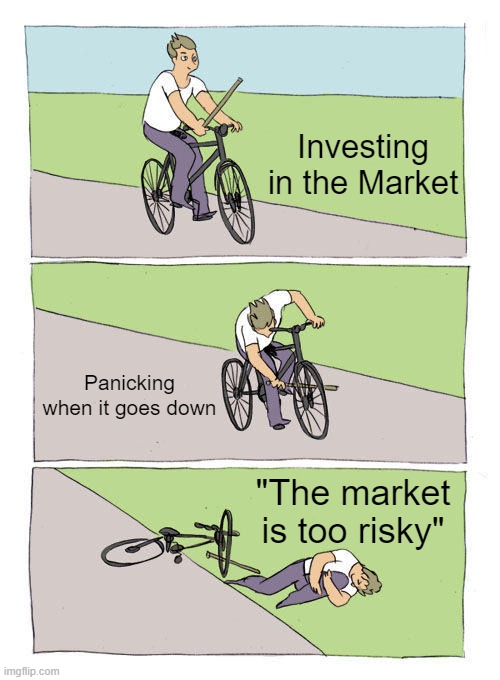
Negative stories about investment scams and failed ventures spread faster than success stories. Human psychology is naturally biased toward remembering the bad or over emphasizing on the worst. Much like car accidents would make the headlines the news over safe drives, but that doesn’t stop you from driving, doesn't it? The same could be true for investing - the horrors of getting scammed or loss of money are the stories we often hear even though it is the exception and not the rule.
Why It’s Not True
Risk is part of investing, but it can be managed. Spreading investments across different assets (diversification), staying invested long-term, and avoiding emotional decisions are some of the steps one can reduce risks of investing significantly.
What You Can Do Instead
Investing in index-tracking instruments such as ETFs and having it part of a diversified portfolio takes the guesswork out of investing. Understand your risk appetite, and select the portfolio that fits your needs.
3. I Don’t Have Time to Invest

How This Myth Started
Many people assume investing means watching stock charts all day. There's a misconception that investing = trading. A trader invests actively by trading stocks, by buying low and selling high - usually managing a period of within hours, days or weeks. That's how most people picture an 'investor' doing all the stressful work and eating up all the time. With work, family, and responsibilities, who has time for that?
Why It’s Not True
Actually, one of the most commonly practiced methods of investing is passive and long term. Passive investment like the index tracking instrument such as ETFs follows the market trend rather than the volatility of a single stock. Since most people don't have the time but the same goal (that is to make returns and more money), thankfully sticking to the long term goal (beyond months and years) have proven to be a sustainable and effective way to grow your wealth.
Modern investing is hands-free. Malaysians spend an average of 8 hours daily on their phones. If you have time to scroll social media, you have time to invest—because setting up a recurring investment takes just minutes. After that, your investments run on autopilot
What You Can Do Instead
Practice what most successful investors do, spend the one time you need to:
- Set up your goals (could be less than 3 minutes if you try our goal calculator here)
- Open an investment account (3 minutes with Wahed)
- Set automatic recurring investment (2 minutes) to take the advantage on the power of compounding
That's a total of less than 10 minutes spent on investing which your future self will thank you for. Now that you're invested, you can focus on the things that matters in your life - and we hope its not on your phone ;)
4. I’m Too Young to Invest
How This Myth Started
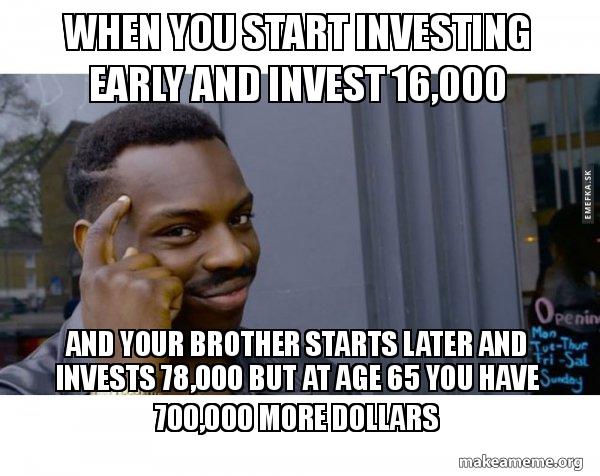
Many believe investing is something you do when you have a stable career and lots of savings - which is another common logical fallacy that ties in your ability to invest comes after you have the money. Because of this, most people will think "I'll do it later" or "when I have enough money" which delays one's ability to grow wealth.
Why It’s Not True
The greatest advantage in investing isn’t just money—it’s time. The earlier you start, the more compounding works in your favor. This is because the longer your investment horizon (time to get to your financial goal), the more likely that you'll be able to generate returns on your returns.
What You Can Do Instead
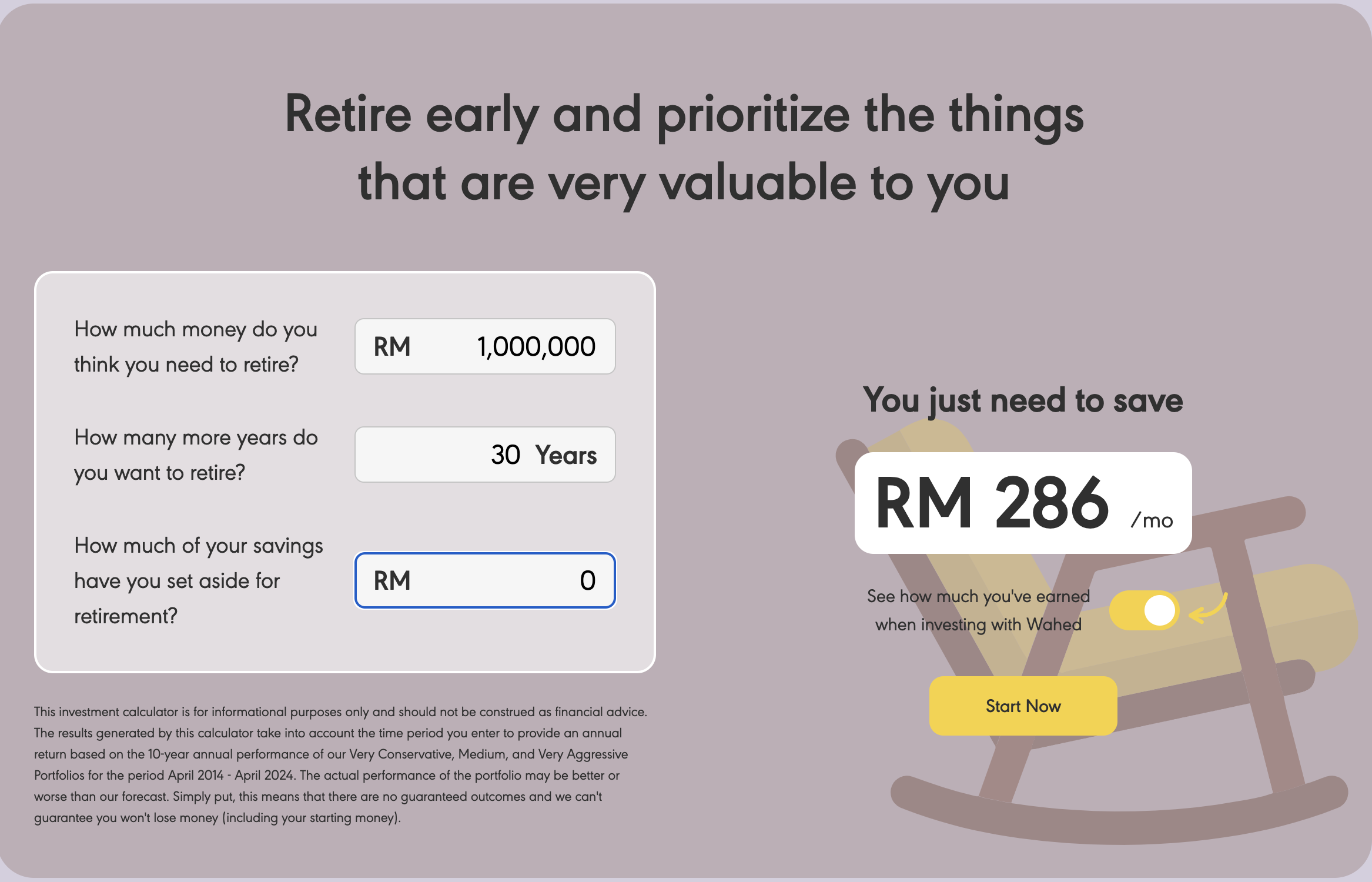
Set a financial goal with Wahed — whether it's for a laptop, a holiday, or a down payment on a house. Small, consistent investments now will set you up for bigger rewards later. Try out this calculator to see the impact of compounding where you can reach the target of RM 1 million not with RM 2,777 per month, but just with RM 286.
Start Now, Start Small, Stay Consistent
The biggest mistake isn’t losing money — it’s not starting at all. These myths shouldn't be discouraging you from taking that first step to investing. . The truth is the sooner you start, the easier it gets to reach your goals.