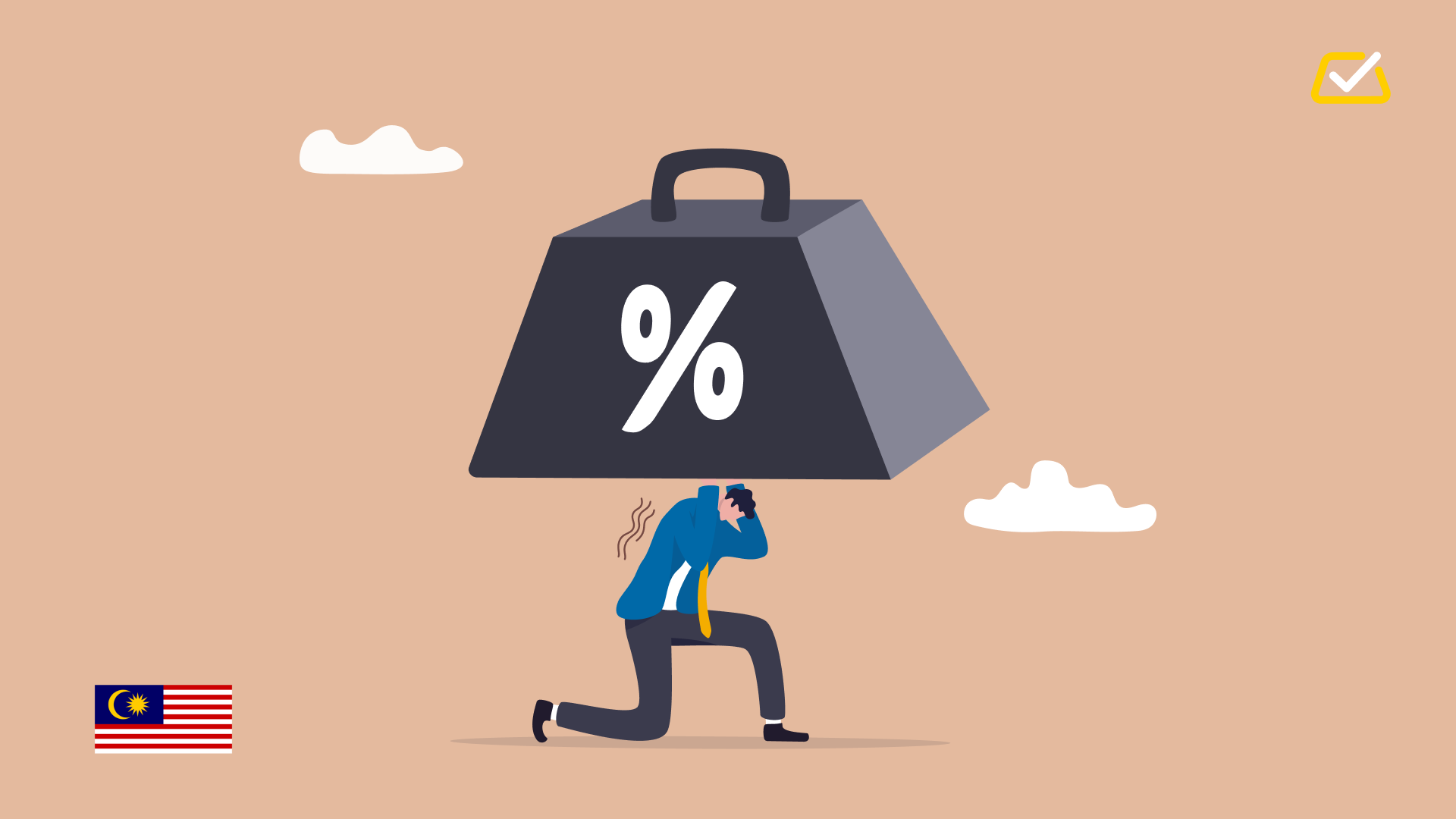
Riba, or interest, is a practice that has economic, spiritual and moral consequences. What considered has ‘growth’, now it begs the question if ‘growth’ means to exploit, increase inequality and create injustice? Hence why, Islam forbids it.
But what exactly is Riba, why is it haram, and how are you entangled in it without realizing it?
Why is Riba haram in Islam?
Riba refers to the interest or profit gained from typically from loans where one party benefits at the expense of another. The Quran has mention multiple times with clear warning about its negative impacts.
Surah Al-E-Imran (3:130):
يَـٰٓأَيُّهَا ٱلَّذِينَ ءَامَنُوا۟ لَا تَأْكُلُوا۟ ٱلرِّبَوٰٓا۟ أَضْعَـٰفًۭا مُّضَـٰعَفَةًۭ ۖ وَٱتَّقُوا۟ ٱللَّهَ لَعَلَّكُمْ تُفْلِحُونَ
"O you who have believed, do not consume usury, doubled and multiplied, but fear Allah that you may be successful."
The core issue with riba is that it creates an unjust system where wealth is accumulated not through effort or productivity but by means of extracting and exploiting those in need. Capital or wealth in Islam should be distributed and circulated, not hoarded and being protected for the purposes of greed.
It puts the borrower at a disadvantage, trapping them in a cycle of debt while the lender enjoys guaranteed profits without sharing any of the risks.
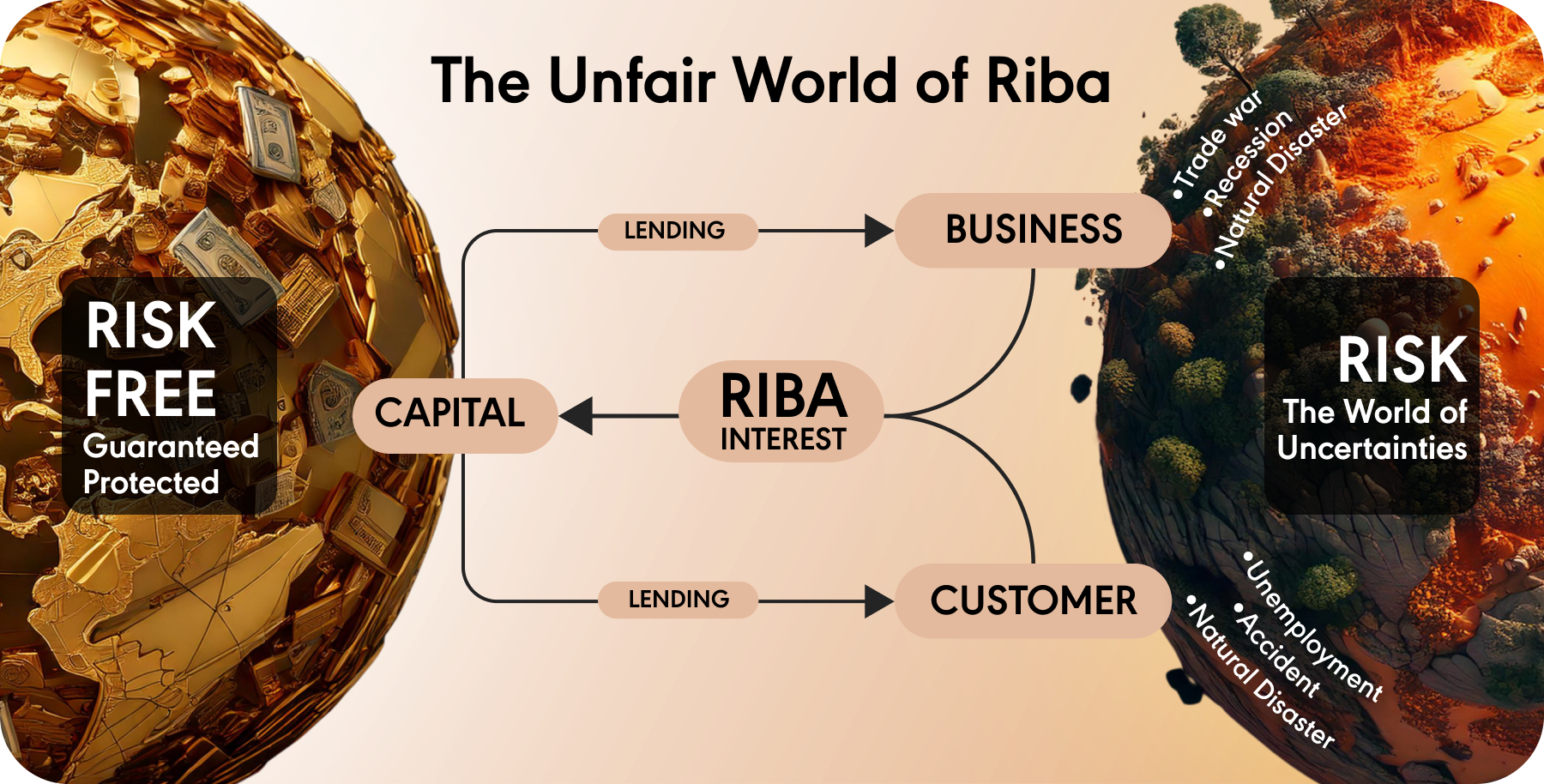
This imbalance is seen as one of the root cause of injustices in Islam. The Prophet Muhammad (peace be upon him) emphasized the dangers of riba, not just as a financial issue but as a spiritual one. Engaging in riba distances people from the ethical values of fairness, mutual benefit, and compassion, which are central to Islamic teachings.
You may be trapped in Riba unknowingly.
It seems really impossible to escape from the web of Riba which has been rooted in our daily life. Mortgages, car loans, and credit cards are so common that we often use them to manage our lives, hoping they will help us build a more secure future. This makes avoiding riba especially challenging for those who wish to stay true to Islamic principles.
However, awareness is the first step towards change. By understanding what you are involved in, we can start making little changes that align with our beliefs. Let’s look at two common traps:
- Credit Card
The total credit card debt in Malaysian stood at RM 4.52 billion as of October 2024, with approximately 9.92 million credit cards in circulation as of July 2021. This means each credit card carries an average debt of RM455. On a larger scale, 3 out of every 5 Malaysians owns a credit card.
You likely have at least one credit card in your wallet right now. It’s a convenient option for when you need quick access to cash. Some credit cards don’t charge interest if you pay the full balance on time. However, interest is charged on any unpaid balance, and that is riba.
Credit cards can be risky, not only because of riba but also due to the tempting trap of ongoing debt repayments. If you didn’t have enough money to make the purchase upfront, how sure are you could afford it monthly with high-interest rates? - Buy Now Pay Later (BNPL)
Bank Negara Malaysia stated that 25% of Malaysians allocate 60% of their income solely to repayments.
Today, instalment options for large purchases are widely available, but they almost always come with interest. Whether it's your preferred mobile phone or a piece of furniture you’ve been eyeing, these instalment plans usually involve riba.
- Housing Loans
Everyone dreams of owning a home. It’s often seen as a major life milestone and a sign of stability and success. The option to spread payments over many years — often up to 35 years — may initially seem affordable, but it can lead to decades of financial commitment and rising costs due to interest.
To put this into perspective, a 30-year loan at an interest rate of 4% on a property costing RM300,000 results in over RM215,000 in interest alone by the end of the term. This means the borrower ends up paying over RM500,000 for a RM300,000 home.
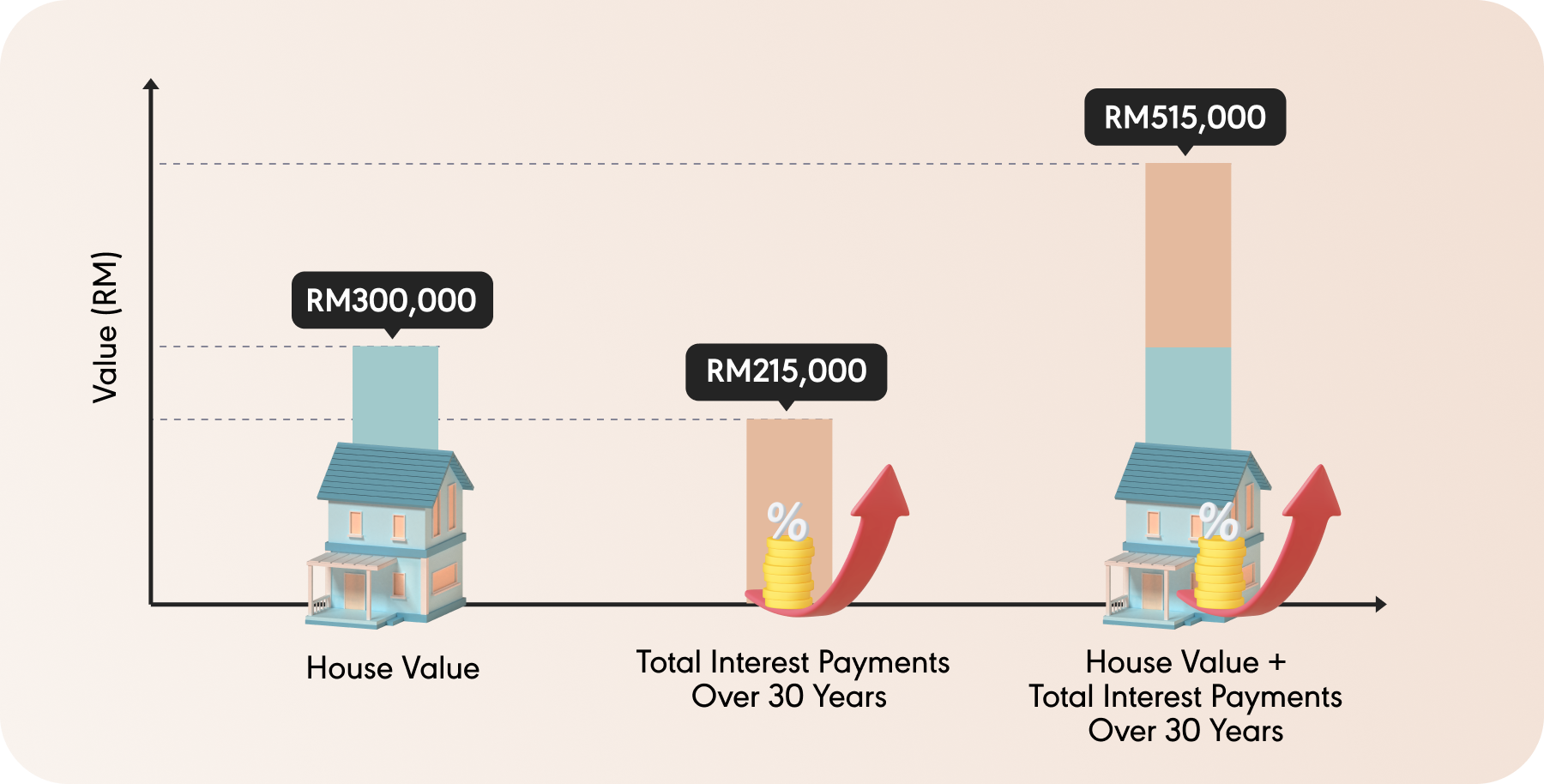
If your home is financed through an interest-based loan, can it still be truly considered an asset? An asset ideally brings value and financial security, yet with riba-based loans, it can become a long-term liability, with payments consuming a significant portion of your income for decades.
How to spot Riba?
You may be participating with riba unknowingly either as a recipient or contributor to riba. The simplest question you can ask yourself is in the context of money that you would give or take.
When I give money, am I receiving Riba?
For the purposes other than investing, am I getting back with more money than I am giving?
- Guaranteed or Fixed Earnings in Bank Accounts
A bank account that promises a fixed interest or profit rate annually, regardless of economic conditions would mean that the bank is lending your money and sharing the interest charged on the lending with you.
- Interest on Lending Money
If you lend money to a friend or entity and charge a percentage as “interest” on the principal amount, you are receiving Riba, even if agreed upon mutually.
When I take money, am I giving Riba?
Do I have to return more money than what I took?
- Loans
Borrowing money from a bank or institution with an agreed interest rate (e.g. 5% annually) means you’re giving Riba when repaying.
- Instalment Plans with Late Payment Penalties
Some 0% interest instalment plans may penalize late payments with interest charges, turning the agreement into one that involves Riba.
- Credit Card with Interest on Balances
If you carry forward unpaid balances on credit cards, the interest charged on those balances is Riba.
Read should muslims keep cash or invest it in 2026?
What can you do though?
By this point, you may be asking yourself: what can I do?
Start by minimizing your exposure to riba. If there are other alternatives, consider them. For example, renting could be a better option than purchasing a house with an interest-based housing loan.
When we make these choices, we want to plant a seed of hesitation — a pause. A moment to reflect.
At Wahed, our vision is to create a world free from interest. We believe that growth should come from investing in real assets, where risk and reward are shared equitably — not from interest rates. Not a system where communities are forced to take high-interest loans just to put a roof over their heads.
Join over 400,000 members of the Wahed community in supporting this mission.
It all starts with you.